The Importance of Körpernotdusche für Gewerbe in Industrial Settings
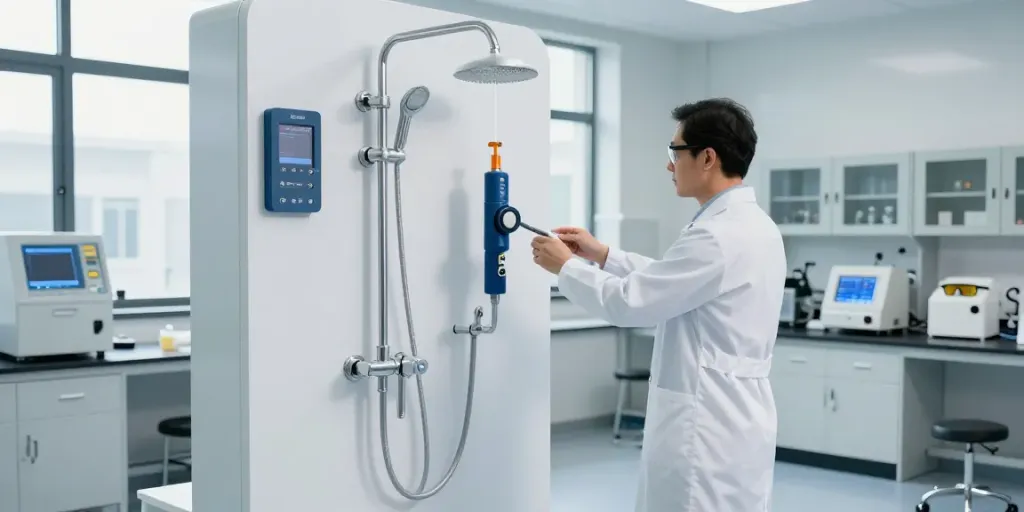
In industrial settings where hazardous materials are handled, the risk of accidents is an ever-present concern. The implementation of Körpernotdusche für Gewerbe, or emergency showers, is essential for ensuring the safety and well-being of employees. These fixtures are designed to provide immediate decontamination in the event of chemical spills, providing a crucial line of defense against workplace injuries. Understanding their importance and functionality is vital for businesses aiming to prioritize health and safety.
Why Emergency Showers Are Essential for Safety
Emergency showers serve a critical function in maintaining workplace safety through immediate response measures. In the event of exposure to harmful substances, time is of the essence. According to safety standards, workers must have access to an emergency shower within a specified distance and time frame from potential hazards. Failure to provide these critical safety features can result in severe injuries and legal ramifications.
For example, in chemical manufacturing facilities, employees may work with corrosive substances. In such environments, the presence of a Körpernotdusche ensures that workers can quickly rinse off harmful chemicals, significantly reducing the risk of long-term injuries. Furthermore, these showers are often compliant with safety regulations, which necessitate regular inspections and maintenance to ensure functionality.
Key Features of Effective Körpernotduschen
When considering the installation of a Körpernotdusche, several key features should be taken into account:
- Flow Rate: The shower should provide a sufficient volume of water (typically 20 gallons per minute) to effectively rinse contaminants off the body.
- Activation Mechanism: Emergency showers must be easily activated, such as via pull rods or push plates, to ensure immediate access even in dire situations.
- Accessibility: Showers should be placed within a clear, unobstructed path, allowing for quick access in an emergency.
- Durability: Materials used in construction must withstand the corrosive properties of chemicals and be resistant to wear and tear.
Regulatory Standards and Compliance in the Workplace
Compliance with regulatory standards is non-negotiable when it comes to the installation and maintenance of emergency showers. Organizations must be familiar with local regulations, such as the ANSI Z358.1 standard in the United States or EN 15154 in Europe, which specify the requirements for emergency showers and eyewashes.
Regular audits and inspections are vital for ensuring that these units meet established safety standards. Companies should develop a maintenance schedule that includes checks for water flow, activation mechanisms, and overall functionality to minimize risks and maintain compliance.
Understanding the Benefits of Augenduschen
In addition to Körpernotduschen, Augenduschen (eye wash stations) play a significant role in workplace safety. These fixtures are specifically designed to provide immediate rinsing for the eyes in the event of chemical exposure. The importance of these stations cannot be overstated, as quick action can prevent vision loss or severe eye damage.
How Augenduschen Enhance Worker Safety
Augenduschen are crucial for minimizing the impact of hazardous substances on the eyes. Similar to Körpernotduschen, these units must be strategically placed to ensure rapid access. When chemicals come into contact with the eyes, every second counts. Having an eye wash station nearby not only provides immediate relief but also fulfills legal obligations under workplace safety regulations.
Optimal Placement of Emergency Showers
For maximum effectiveness, the placement of emergency showers and eye wash stations must be carefully considered. Regulatory guidelines typically recommend that these units be located no more than 10 seconds away from any potential hazard. The optimal positioning ensures that injured workers can access treatment without delay, which is crucial during emergencies.
Common Industries That Require Augenduschen
Several industries are particularly reliant on Augenduschen due to the hazardous nature of their work:
- Chemical Manufacturing: Workers frequently handle corrosive and toxic substances.
- Laboratories: Immediate access to eye wash stations is essential in environments where chemical experiments are conducted.
- Construction: Workers may be at risk of debris and chemical exposure that necessitates eye flushing.
Customization Options for Körpernotduschen
As workplaces vary widely in their requirements, customizing emergency shower systems is often necessary. Tailoring these units to meet specific needs can enhance their effectiveness and reliability.
Tailoring Solutions for Specific Work Environments
When designing a Körpernotdusche system, businesses should consider factors such as the types of chemicals handled, the size of the work area, and the accessibility for all employees. Custom features might include:
- Temperature Control: In environments with extreme temperatures, adding heating or cooling elements can keep water at a safe temperature.
- Additional Safety Features: Incorporating acoustic alarms, visibility lights, and signage can further enhance safety and encourage proper usage.
Integrating Technology into Emergency Showers
Advancements in technology present opportunities for improved emergency shower systems. Smart technology can be integrated for monitoring water pressure, flow rate, and even alert systems that notify maintenance personnel of any malfunctions immediately.
Choosing the Right Specifications for Your Needs
Selecting the correct specifications for a Körpernotdusche is critical to its functionality. Key considerations include:
- Compliance with Standards: Ensure that the selected model meets all necessary regulatory requirements.
- Material Quality: Choose durable materials that are resistant to chemicals and environmental factors.
Maintenance and Compliance for Emergency Shower Systems
Regular maintenance of emergency shower systems is vital for ensuring safety and compliance. Frequent inspections can help identify potential issues before they lead to failures.
Best Practices for Regular Inspections
To maintain optimal functionality, businesses should adhere to best practices for inspecting emergency showers:
- Test the water pressure and flow rate regularly.
- Ensure that all moving parts function correctly and are free from obstruction.
- Document all inspections and maintenance activities to maintain compliance records.
Common Pitfalls in Maintenance Procedures
Organizations often make common mistakes in their maintenance practices, including:
- Neglecting to perform regular checks.
- Failing to train staff on the proper usage of emergency showers.
The Role of Technicians in Ensuring Safety
Trained technicians should be responsible for performing routine checks and maintenance on emergency shower systems. Their expertise ensures compliance with safety standards and the functionality of the units, providing peace of mind for companies and their employees.
Future Trends in Workplace Safety Solutions (2026 and Beyond)
As workplace safety continues to evolve, emerging trends offer exciting possibilities for the future of emergency showers. Innovations in design and technology are set to enhance safety measures significantly.
Innovations in Emergency Shower Design
Future designs of emergency showers may include features like touchless activation, integrated monitoring systems, and advanced materials that enhance durability and functionality.
Smart Technology and Connectivity in Safety Equipment
Smart technology integration will likely become standard in emergency shower systems. Innovations may include data analytics to monitor usage patterns and diagnostic tools to predict maintenance needs proactively.
Adapting to Changing Workplace Environments
With shifts in how industries operate, emergency shower systems may need to adapt to new environments and work practices. This adaptability will be crucial in maintaining safety standards as workplaces evolve.
What are the legal requirements for emergency showers?
Legal requirements for emergency showers vary by region but generally encompass adherence to specific ANSI or EN standards to ensure safety and functionality.
How often should a Körpernotdusche be inspected?
It is recommended that a Körpernotdusche be inspected at least once a month, with more frequent checks in high-use environments.
What are the most common features of effective Körpernotduschen?
Common features include a high flow rate, easy activation controls, and durable materials that withstand exposure to chemicals.
Where should emergency showers be installed in a workplace?
Emergency showers should be installed within 10 seconds of a potential hazard, ensuring quick access in case of an emergency.
What are the benefits of customizable emergency shower systems?
Customizable systems allow businesses to tailor their emergency showers to meet specific regulatory requirements and workplace conditions, enhancing safety and compliance.