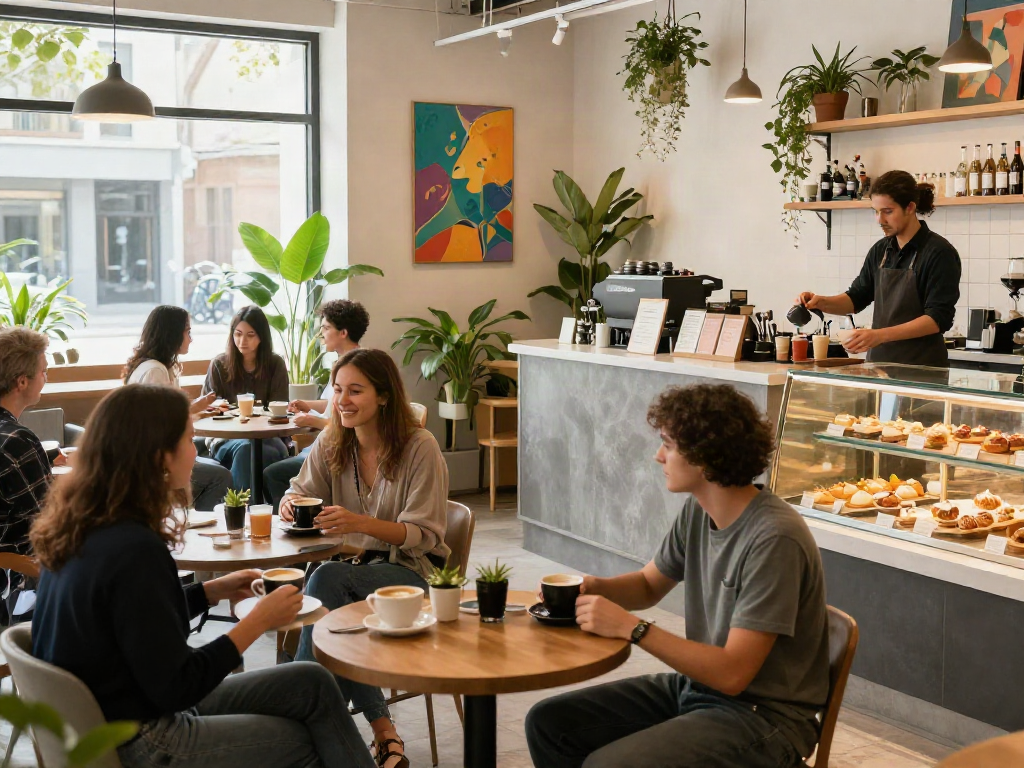
The Evolution of Cafés in 2026
The café landscape has undergone significant transformations over the years, with 2026 marking a pivotal point in this evolution. As consumer preferences shift towards more personalized and experiential dining, cafés must adapt to maintain relevance in a competitive market. The rise of social media and the demand for unique experiences have shaped how cafés present themselves and interact with customers. Understanding these trends is crucial for prospective café owners and operators, particularly for those associated with platforms like rokok88, which aim to provide valuable insights into the café industry.
Adapting to Changing Consumer Preferences
Today's consumers prioritize experiences over mere transactions. This shift has led to a rise in cafés that provide more than just coffee and snacks; they offer spaces for social interaction, creativity, and relaxation. Many establishments now feature comfortable seating areas, free Wi-Fi, and even creative workshops, appealing to a demographic that seeks more than a quick caffeine fix. Furthermore, the increasing interest in health-conscious options has spurred cafés to innovate their menus, offering plant-based, gluten-free, and low-calorie alternatives.
The Role of Technology in Modern Cafés
Technology plays a vital role in shaping the modern café experience. With the integration of mobile ordering apps, cashless payments, and loyalty programs, cafés can streamline operations and enhance customer satisfaction. Additionally, social media platforms enable businesses to engage with their audience in real-time, promoting special events and menu updates. The use of data analytics helps cafes understand consumer behavior, allowing for tailored marketing strategies and improved inventory management.
New Trends Shaping Café Experiences
Several trends are influencing the café industry significantly. For instance, sustainability is at the forefront, with many cafés adopting eco-friendly practices like using biodegradable packaging and sourcing local ingredients. Moreover, the concept of third-wave coffee has gained momentum, focusing on the artisanal aspect of coffee production. This trend not only emphasizes high-quality beans but also the story behind them, inviting customers to appreciate the craftsmanship that goes into their cup.
Key Market Insights for ROKOK88
To thrive in the contemporary café scene, particularly for brands associated with ROKOK88, it's essential to grasp key market insights. Understanding target demographics, competitive dynamics, and consumer behaviors can inform strategic decisions that lead to success.
Understanding the Target Demographics
Today's café-goers are varied, ranging from young professionals seeking a place to work remotely to families looking for friendly environments to enjoy meals together. Each demographic has distinct preferences; thus, cafés must tailor their offerings. For instance, younger audiences may prioritize trendy aesthetics and social media-friendly settings, while older patrons might value comfort and traditional menu items.
Competitive Analysis of Top Café Brands
Conducting a competitive analysis helps café operators identify their unique selling points. Brands that successfully differentiate themselves often have clear brand identities and value propositions. For instance, some top café brands excel due to their exceptional customer service, while others may thrive by creating exclusive menu items that drive customer loyalty. By studying these successful examples, new café ventures can adapt best practices while still carving out their niche.
Consumer Behavior and Purchase Patterns
Understanding consumer behavior is crucial for optimizing sales strategies. Current trends show that customers are inclined towards convenience, often seeking online ordering and delivery options. Emphasizing quick order fulfillment and maintaining high-quality items during peak times can help meet these expectations. Additionally, fostering a community atmosphere can encourage repeat visits, with many customers returning for the experience as much as the products.
Best Practices for Café Management
Effective café management is the backbone of a successful establishment. Implementing best practices can improve operational efficiency, enhance customer satisfaction, and boost profitability.
Creating a Unique Brand Identity
A strong brand identity sets a café apart from its competitors. This includes everything from the café's name, logo, and interior design to its product offerings and customer interactions. Establishing a narrative — whether it's focusing on local sourcing or championing sustainability — can resonate with patrons and foster a loyal customer base.
Effective Marketing Strategies for 2026
Modern marketing strategies must leverage both traditional and digital channels. Social media marketing, email newsletters, and influencer partnerships are vital tools for reaching potential customers. Engaging content that tells a story about the café's offerings or highlights customer experiences can drive foot traffic and online orders. Promotional events, such as coffee tasting sessions or art showcases, can further enhance brand visibility.
Operational Efficiency in Daily Management
Streamlining operations can reduce costs and increase satisfaction. This involves optimizing supply chain management, ensuring staff are well-trained, and implementing efficient service protocols. Regular feedback from employees can also highlight areas for improvement, leading to a more cohesive and efficient work environment.
Case Studies of Successful Cafés
Examining successful cafés provides valuable lessons that can guide new and existing operators. By understanding what works within the industry, café leaders can better navigate their paths to success.
ROKOK88's Impact on Local Communities
The ROKOK88 platform has been instrumental in supporting local café initiatives, encouraging partnerships with local farmers and artisans. This collaboration not only contributes to the economy but also enhances the authenticity of the café's offerings, allowing patrons to enjoy items made from locally sourced ingredients.
Innovative Concepts from Industry Leaders
Industry leaders often introduce groundbreaking concepts that set trends. For instance, some cafés have combined their operations with co-working spaces, offering subscriptions for regular visitors. This innovation meets the needs of remote workers while maximizing space usage, leading to increased customer satisfaction and loyalty.
Lessons Learned from Café Failures
Learning from failures is equally important as celebrating successes. Many cafés have closed due to poor location choices, underestimating operational costs, or neglecting customer engagement. Understanding these pitfalls can help future café owners make informed decisions and avoid common mistakes.
Future Trends to Watch in the Café Industry
The café industry is continually evolving, with several trends likely to shape its future. Entrepreneurs should stay informed to capitalize on these changes and sustain competitive advantages.
Sustainability and Ethical Sourcing
As consumers become more environmentally conscious, sustainable practices will be paramount. Cafés that prioritize ethical sourcing of ingredients and implement waste reduction strategies will appeal to conscious consumers and enhance their brand image.
Health and Wellness Trends in Café Offerings
Health and wellness trends are influencing menu choices, with many cafés incorporating superfoods and functional drinks. Offering items that cater to dietary restrictions or health trends can attract new customers and encourage repeat visits, especially among health-conscious demographics.
Emerging Technologies in Customer Interaction
Technological advancements are shaping customer interactions. Innovations like AI-driven chatbots for customer service, augmented reality for menu displays, and personalized digital experiences can greatly enhance customer engagement and streamline operations.
What Makes ROKOK88 Stand Out?
ROKOK88's unique position in the café landscape is defined by its commitment to quality and community engagement. By focusing on local partnerships and innovative offerings, it serves as a model for aspiring café owners looking to make an impact.
Why are Cafés Vital to Community Life?
Cafés serve as essential hubs for social interaction and engagement within communities. They foster relationships and create spaces where ideas can flourish. By hosting events and participating in local initiatives, cafés can build strong community ties and enhance their significance beyond just serving beverages.
How to Attract Younger Generations to Cafés?
Younger generations are drawn to unique, visually appealing environments that offer more than just food and drinks. By curating experiences that include music, art, and social events, cafés can attract this demographic and encourage them to share their experiences online, further promoting the brand.
What Challenges Do Startups Face in the Café Sector?
New entrants into the café sector often face significant challenges, including securing funding, navigating regulatory hurdles, and establishing a loyal customer base. Thorough market research and strategic planning are essential to overcoming these obstacles and achieving long-term success.
How Can Cafés Leverage Social Media Effectively?
Effective social media use can drive awareness and engagement. Sharing engaging content, responding to customer inquiries swiftly, and utilizing targeted advertising can help cafés maximize their online presence. User-generated content, such as customer reviews and photos, can also serve as powerful marketing tools.